Massive Air Strike on Ukraine: 100 Missiles and 400 Drones Launched on November 20
Russian forces conducted one of their largest aerial assaults, utilizing a mix of cruise missiles, ballistics, and jet-powered drones against infrastructure.
 🏙️City
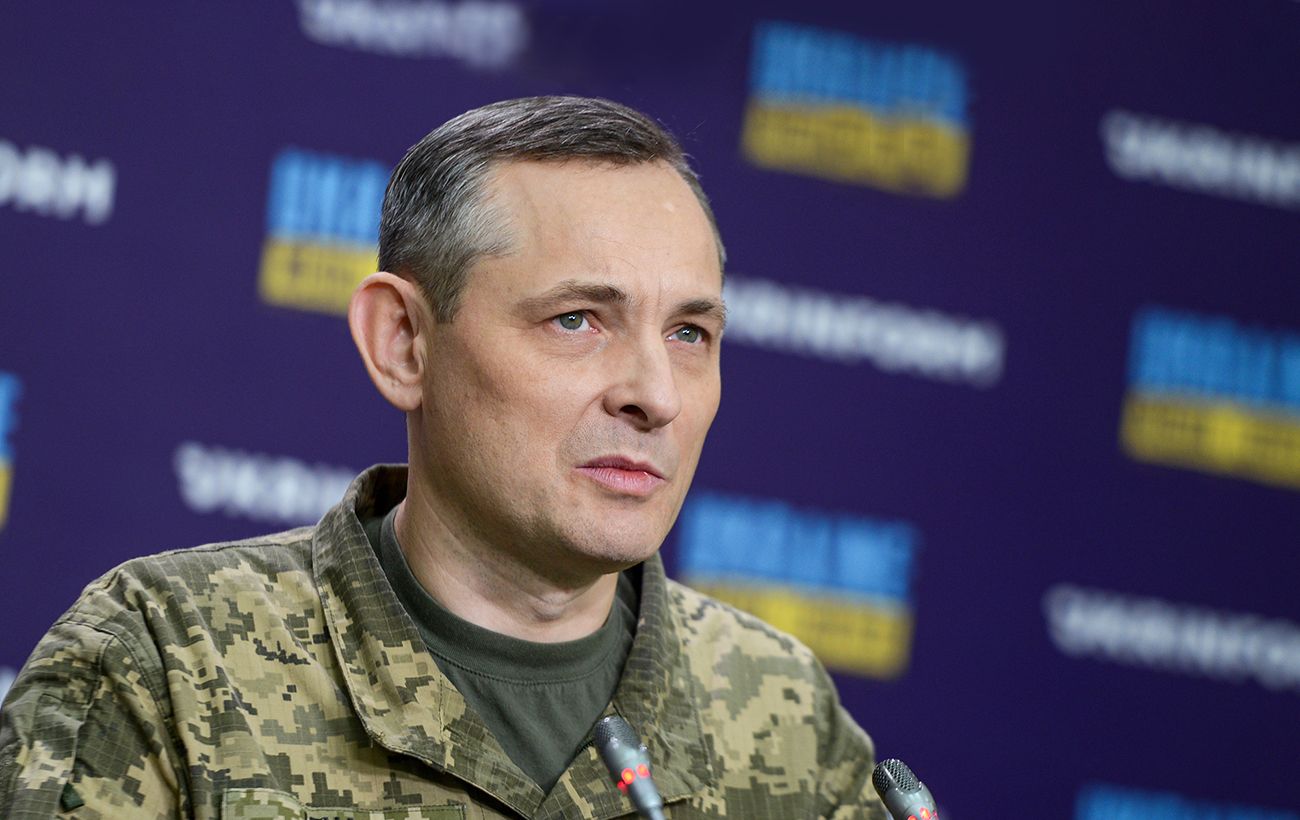
Photo: RBC-Ukraine
Key points
- 80 cruise and 20 ballistic missiles were launched.
- 400 drones used, including 120 high-speed jet models.
- Casualties and blackouts reported in Kyiv and Lviv.
On the night of November 20, Ukraine endured one of the most powerful aerial bombardments since the start of the full-scale invasion. According to the Air Force, the enemy employed a combined tactic, merging various missile types with a massive drone swarm. This event once again highlighted the critical importance of civil defense readiness across all regions, including the Sumy region and the city of Konotop.
Technical Details and Scale of the Assault
Yurii Ihnat, head of communications for the Air Force, reported that approximately 80 cruise missiles and 20 ballistic missiles were launched. In addition to the missiles, about 400 drones of various types targeted Ukrainian airspace. A notable feature of this attack was the deployment of roughly 120 jet-powered drones, which are significantly harder to intercept for mobile fire groups due to their high speed.
Despite the unprecedented volume of incoming threats, Ukrainian air defense units demonstrated high efficiency. The Air Force spokesperson noted a high interception rate, which prevented even more catastrophic damage to the nation's critical infrastructure.
Regional Impact and International Context
The primary strikes hit the capital and western regions. In Kyiv, falling debris and direct hits resulted in casualties and power outages in parts of the city. Lviv also reported two deaths and significant destruction. The energy situation remains tense, as strikes on key substations anywhere in the country affect the overall stability of the national grid.
"Today was one of the most powerful attacks," Yurii Ihnat stated during a national broadcast.
An incident near the Polish border drew particular attention, as preliminary reports suggest one missile may have crossed into the neighboring country's airspace. This creates additional tension with NATO partners and could serve as a catalyst for increased international support for Ukraine's air defense.
For Konotop residents, this attack serves as a reminder to check emergency supplies and backup power sources. Although the main impacts were felt elsewhere, the integrity of the Ukrainian power grid is interconnected, and damage in Kyiv or the west can lead to emergency consumption restrictions in the Sumy region.
Source RBC-Ukraine — rbc.ua/ukr/news/sogodni-bula-odna-naypotuzhnishih-atak-rf-179516097… ↗
Read next
 🚨Events
Konotop hosts workshop on business planning and grant acquisition for novice entrepreneurs
A practical workshop was held in Konotop to help beginner entrepreneurs develop business plans and secure funding for their projects.
 🩺Health
Unlocking the Benefits of Chicory: How it Supports Gut and Liver Health
Nutrition experts highlight chicory as a nutrient-dense food rich in inulin fiber, which fuels gut microflora and supports liver functionality.
 💼Economy
Czechia Opposes Including Ukraine Aid in EU Budget: Prague's Stance
Czech Prime Minister Andrej Babiš has labeled the proposed EU budget unacceptable due to plans to allocate 100 billion euros for Ukraine directly from the Union's treasur…
 🚨Events
Death toll rises following enemy strike in Dymer
Rescue operations are ongoing in Dymer after a residential building was hit by an enemy strike. The number of casualties has increased, and emergency services remain on-s…
 🚨Events
Pentagon Imposes Restrictions on Defense Relations Between US and Canada
US Defense Secretary Pete Hegseth has issued classified guidelines limiting defense interactions between the United States and Canada, drawing attention amid recent bilat…
 👥Society
Why birds return from warm regions instead of staying there all year round
Annual bird migrations back to their breeding grounds are driven by survival instincts. Scientists explain this behavior through competition in the tropics and longer day…