Robotic systems on the frontline: Will they replace armored vehicles
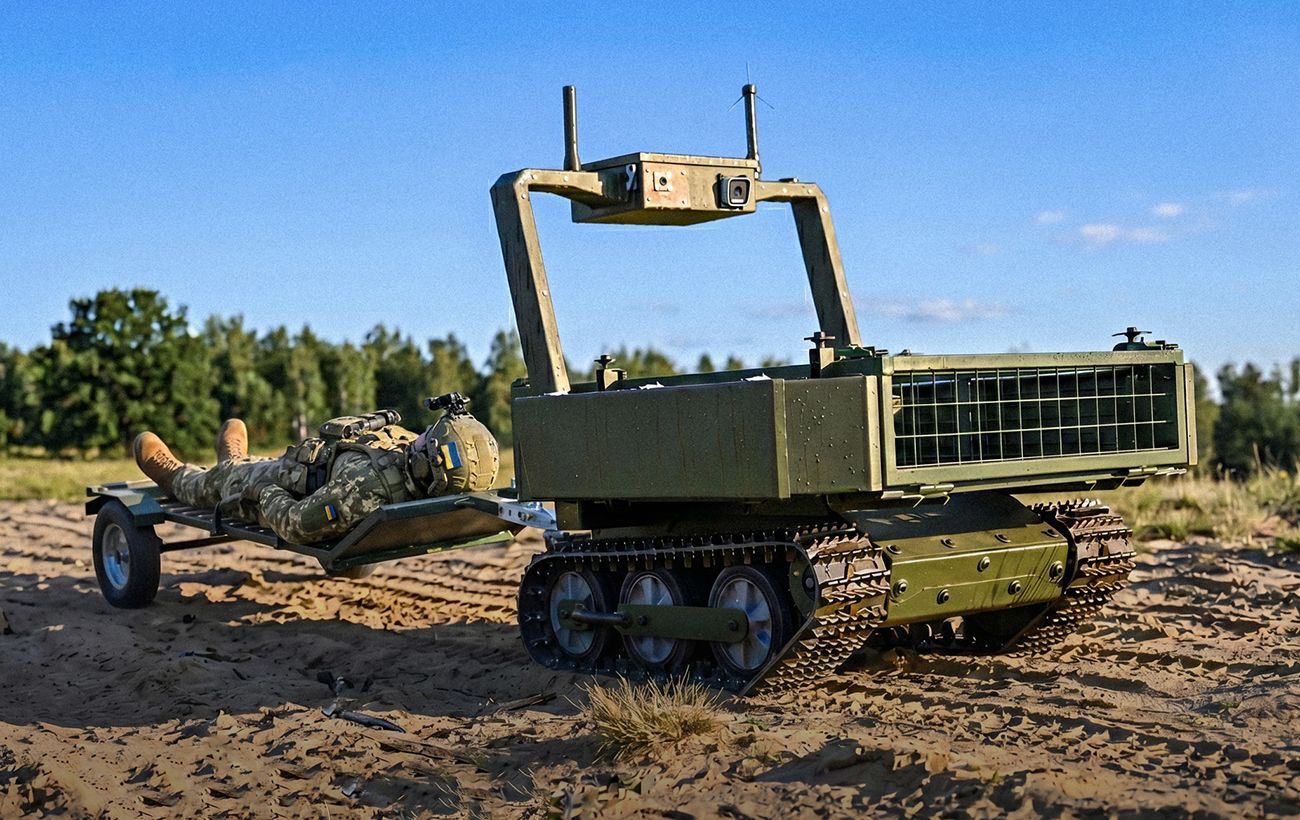
Unmanned ground vehicles are actively taking over frontline logistics, but industry experts emphasize they cannot fully replace armored vehicles in the near future.
 🩺Health
Photo: RBC-Ukraine
Key points
- Ground robotic systems take over dangerous logistics tasks
- Armored vehicles remain vital for troop transport and protection
- Converting regular vehicles into drones is often economically impractical
- Defense manufacturers continue developing modular unmanned platforms
The evolving realities of modern combat are reshaping how military units are supplied, with unmanned systems playing a crucial role in safeguarding personnel. Ukrainian developers of robotic systems note that ground robotic complexes (GRCs) are already absorbing a significant share of logistics duties near the contact line where human-crewed vehicles face extreme risks. However, rather than fully replacing armored cars or pickup trucks, the industry is witnessing a practical redistribution of operational tasks.
Shifting logistics and the economics of conversion
According to Ratel Robotics CEO Taras Ostapchuk, this transformation is already underway. He suggests that by 2027, the vast majority of supply logistics near the frontline could be handled by unmanned platforms. Nonetheless, traditional armored vehicles remain essential for personnel transport and high-speed operations requiring robust physical protection.
Another vector involves converting standard pickup trucks and armored personnel carriers into autonomous systems. TechUnity's CEO points out that while technically feasible, economic viability remains a major hurdle. Integrating remote control, complex electronics, and safety redundancy into standard vehicles is often more costly than designing a dedicated robotic platform from scratch.
«Today we are not talking about a complete replacement of armored vehicles or pickups, but rather about a redistribution of tasks», — stated Taras Ostapchuk.
Global and domestic manufacturers continue introducing innovative solutions, including modular platforms and air-droppable robotic units. These technologies reflect a broader military shift toward minimizing human exposure to danger during high-risk supply missions.
Source RBC-Ukraine — rbc.ua/ukr/news/nrk-mozhut-zaminiti-broneavtomobili-fronti-17954241… ↗
Read next
 🛡️Security
Russian strike hits Lozova in Kharkiv region, injuring three civilians
Three people were injured in a Russian attack on Lozova, Kharkiv region. The strike sparked fires in a residential apartment and several vehicles.
 🏛️Politics
NABU Detective Case: Role in Operation Midas and Defense Questions
According to the SBU and investigative reports, claims regarding NABU detective Ruslan Magamedrasulov's key role in Operation Midas lack documentary evidence.
 🧠AI Analysis
Dining Market Shifts: Ukraine Sees Lower Restaurant Attendance Alongside Higher Average Bills
A study of 5,000 catering establishments in Ukraine revealed a drop in visitor numbers during autumn 2026, accompanied by an increase in average check sizes.
 🛡️Security
Teacher killed in drone strike on Kyiv region supermarket: Details of the tragedy
A Russian drone strike on a supermarket in Vyshneve, Kyiv region, killed a local teacher, Marina Moychenko, and left several others injured.
 💼Economy
Supermarket Prices: How Basic Food Costs Vary Across Ukrainian Retail Chains
A comparison of essential grocery prices in major Ukrainian supermarkets reveals significant differences in the cost of basic food items.
 💼Economy
Winterizing Winter Crops in Konotop Region: Agronomists Share Tips on Protecting Onions and Garlic
Agricultural experts have released recommendations on proper mulching for winter crops. Specialists explained which materials work best to protect plantings during the co…