History and Traditions of New Year: Why We Celebrate on January 1st
Exploring the historical origins of the January 1st date and how the calendar has evolved over the centuries.
 🎓Education
Photo: TSN
Key points
- January 1st became the start of the year due to the reform of Julius Caesar and the later introduction of the Gregorian calendar
- Historically, the beginning of the year was tied to natural cycles or religious dates
- Different countries around the world have unique customs that reflect their cultural values
New Year is one of the most recognizable holidays in the world, yet its date has not always been fixed. The modern calendar cycle we use today has deep roots reaching back to Ancient Rome and the reforms of Julius Caesar.
From Ancient Civilizations to the Gregorian Calendar
For millennia, different nations tied the beginning of the year to natural phenomena, such as the flooding of the Nile in Egypt or the vernal equinox in Babylon. In Medieval Europe, the situation was even more fragmented: the beginning of the year was celebrated on Christmas, the Annunciation, or Easter.
The situation changed with the adoption of the Gregorian calendar in 1582, introduced by Pope Gregory XIII. It was this system that established January 1st as the official beginning of the year, which subsequently became the generally accepted standard in most countries of the world.
Cultural Features of the Celebration
The name of the first month of the year comes from the Roman god Janus, who symbolized transitions and new beginnings. Different cultures have their own unique traditions for welcoming the holiday:
- In Spain, it is customary to eat 12 grapes as the clock strikes midnight.
- In Italy, lentils are served on the table, symbolizing financial prosperity.
- The Japanese perform a purification ritual by ringing bells 108 times.
- In Scotland, there is the tradition of the first-foot, who is expected to bring good luck to the house.
Source TSN — tsn.ua/tsikavinki/koly-sviatkuiut-novyy-rik-chomu-data-prypadaye-na-1-s… ↗
Read next
 🛡️Security
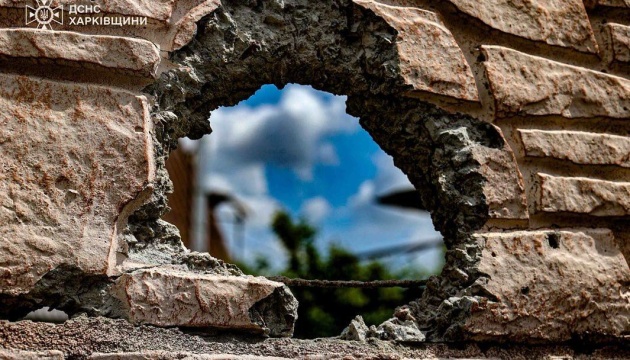
Russian strike hits Lozova in Kharkiv region, injuring three civilians
Three people were injured in a Russian attack on Lozova, Kharkiv region. The strike sparked fires in a residential apartment and several vehicles.
 🏛️Politics
NABU Detective Case: Role in Operation Midas and Defense Questions
According to the SBU and investigative reports, claims regarding NABU detective Ruslan Magamedrasulov's key role in Operation Midas lack documentary evidence.
 🩺Health
Robotic systems on the frontline: Will they replace armored vehicles
Unmanned ground vehicles are actively taking over frontline logistics, but industry experts emphasize they cannot fully replace armored vehicles in the near future.
 🩺Health
Russian submarines go to sea for missile strikes for the first time in six months
During another combined attack on Ukraine, the Russian military brought submarines out of Novorossiysk for the first time in six months to launch Kalibr missiles.
 🩺Health
Kyiv Region Critical Infrastructure Protection Threatened by Billion-Hryvnia Debt to Contractors
Construction companies that built protective structures for energy facilities in the Kyiv region have reported debts exceeding 1 billion hryvnias, forcing businesses to p…
 🩺Health
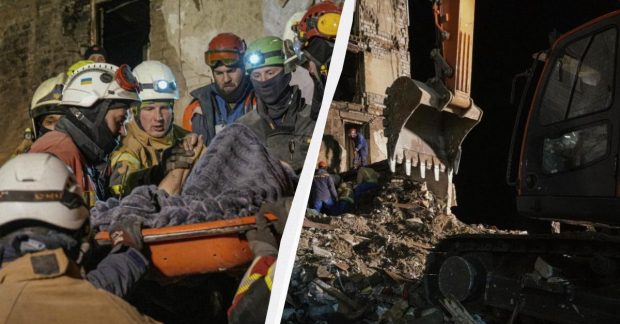
Elderly Woman Rescued from Rubble After 22 Hours in Dymer
Rescuers in the Kyiv region successfully pulled an elderly woman from the ruins of a destroyed apartment building after she spent nearly a day trapped underneath.